Frameless Torque Motors for Vehicle Systems
Frameless torque motors are used in specialized vehicle and transportation mechanisms that require compact integration, fast response and precise rotary control.
Unlike the main traction motor that propels an electric vehicle, these motors are generally applied to auxiliary motion systems such as sensor positioning, steering actuators, active suspension mechanisms, charging equipment and test systems.
The rotor and stator can be integrated directly around the vehicle’s shaft, bearing or rotary structure.
Autonomous Vehicle Sensor Systems
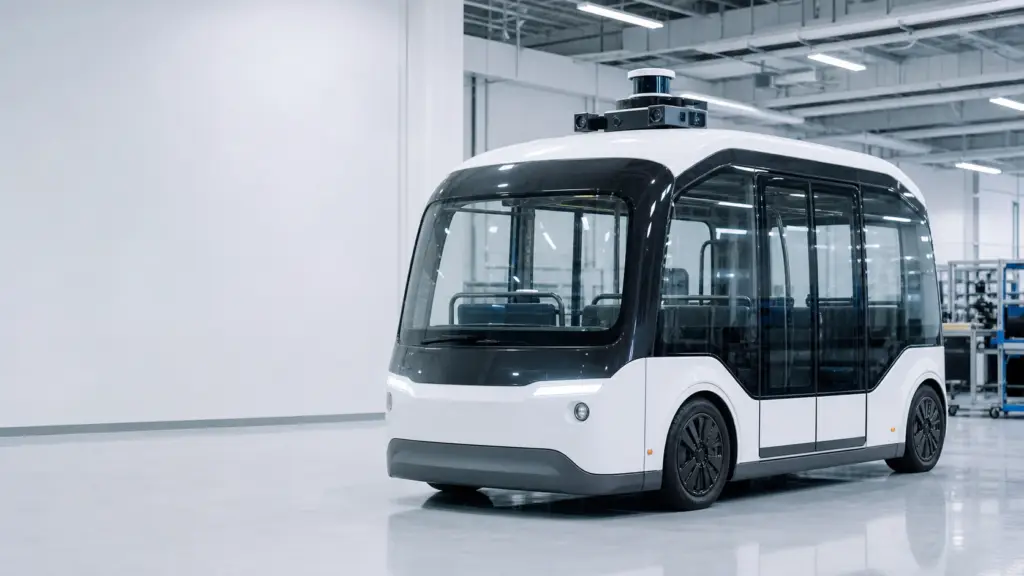
Autonomous vehicles rely on cameras, LiDAR, radar and other sensing systems to observe their surroundings.
Frameless motors can drive:
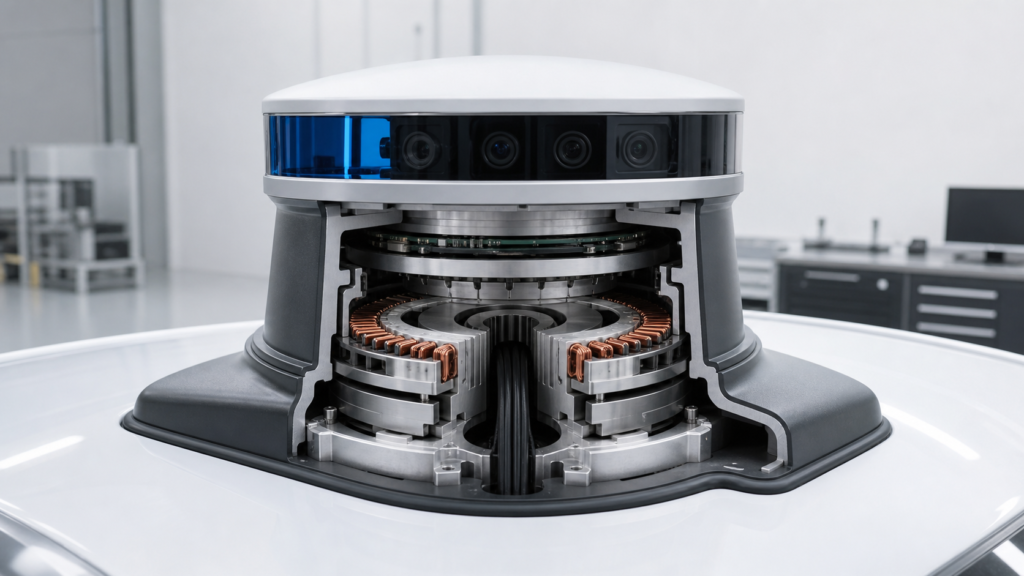
- LiDAR rotation mechanisms
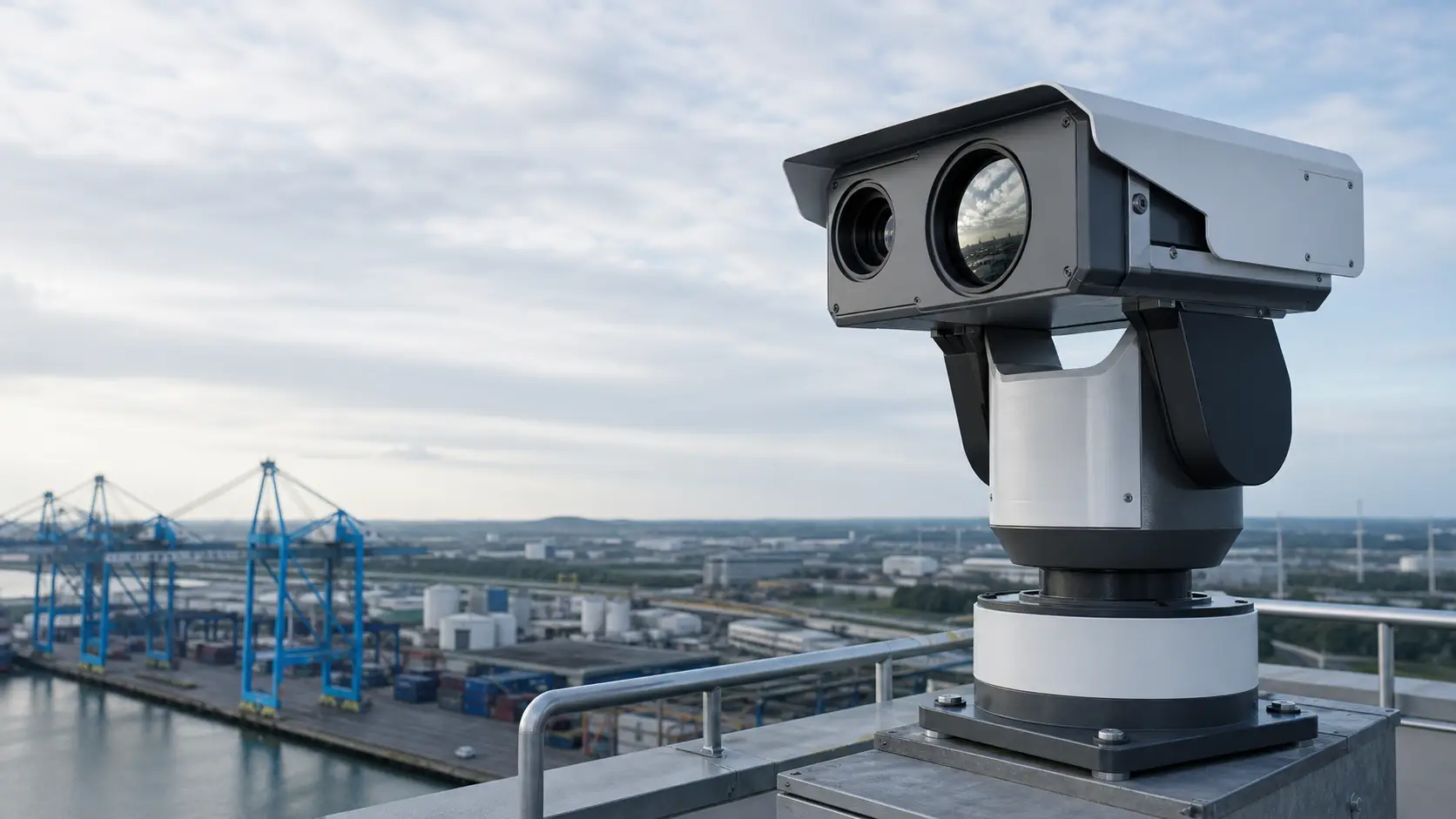
- Camera pan-and-tilt units
- Sensor-cleaning mechanisms
- Stabilized sensor platforms
- Calibration and alignment systems
A hollow-bore design may provide space for optical paths, cables or slip rings.
Smooth torque, low cogging, low vibration and accurate feedback are important because mechanical disturbance can affect sensor stability and image quality.
Steering and Steer-by-Wire Mechanisms
Some steering and steer-by-wire systems use electric actuators to generate or transmit steering commands.
A frameless motor can be integrated into a steering column, feedback unit or specialized steering actuator. However, road-vehicle steering is a safety-critical function requiring redundant sensing, fault handling and complete system qualification.
The motor itself does not make a steering system road-certified.
Active Suspension and Ride-Control Equipment
Active suspension systems adjust vehicle motion in response to road conditions and body movement.
Frameless motors may be used in rotary actuators, electromechanical suspension mechanisms and development test rigs where fast torque response and compact integration are required.
The design must consider:
- Peak transient torque
- Repeated shock load
- Vibration
- Temperature range
- Water and dust exposure
- Functional safety
- Emergency operating behavior
Electric Vehicle Charging Equipment
Frameless motors can also support automated charging equipment rather than charging battery cells directly.
Potential applications include:
- Automatic charging-port doors
- Robotic charging connectors
- Cable-management systems
- Connector alignment mechanisms
- Battery-swap equipment
- Charging-station cooling actuators
For outdoor charging equipment, the enclosure must protect the motor from rain, dust, condensation and temperature changes.
Rail and Heavy Transportation Equipment
Compact torque motors may be used in specialized rail, construction and heavy-vehicle systems such as inspection platforms, sensor positioning devices, control actuators and automated maintenance equipment.
These applications often require resistance to vibration, contamination and long operating cycles.
Motor Dr Vehicle Motor Solutions
Motor Dr develops custom frameless motors around the available mechanical envelope and operating conditions.
Customization may include:
- Compact or low-profile geometry
- Large hollow bore
- Custom voltage and winding
- Low-cogging design
- Hall sensors and temperature sensors
- Encoder or resolver matching
- Special lead wires
- Rotor and stator mounting features
Frequently Asked Questions
Can a frameless torque motor replace an EV traction motor?
Usually not directly. Traction motors and compact torque motors have different power, speed, cooling and safety requirements.
Can Motor Dr motors be used in safety-critical vehicle systems?
The motor can be developed as a component, but the vehicle manufacturer must validate and qualify the complete system.
What information is required for selection?
Provide torque, speed, voltage, installation dimensions, environmental conditions, duty cycle and feedback requirements.
Frameless Torque Motors for Vehicle Systems
Frameless torque motors are used in specialized vehicle and transportation mechanisms that require compact integration, fast response and precise rotary control.
Unlike the main traction motor that propels an electric vehicle, these motors are generally applied to auxiliary motion systems such as sensor positioning, steering actuators, active suspension mechanisms, charging equipment and test systems.
The rotor and stator can be integrated directly around the vehicle’s shaft, bearing or rotary structure.
Autonomous Vehicle Sensor Systems
Autonomous vehicles rely on cameras, LiDAR, radar and other sensing systems to observe their surroundings.
Frameless motors can drive:
- LiDAR rotation mechanisms
- Camera pan-and-tilt units
- Sensor-cleaning mechanisms
- Stabilized sensor platforms
- Calibration and alignment systems
A hollow-bore design may provide space for optical paths, cables or slip rings.
Smooth torque, low cogging, low vibration and accurate feedback are important because mechanical disturbance can affect sensor stability and image quality.
Steering and Steer-by-Wire Mechanisms
Some steering and steer-by-wire systems use electric actuators to generate or transmit steering commands.
A frameless motor can be integrated into a steering column, feedback unit or specialized steering actuator. However, road-vehicle steering is a safety-critical function requiring redundant sensing, fault handling and complete system qualification.
The motor itself does not make a steering system road-certified.
Active Suspension and Ride-Control Equipment
Active suspension systems adjust vehicle motion in response to road conditions and body movement.
Frameless motors may be used in rotary actuators, electromechanical suspension mechanisms and development test rigs where fast torque response and compact integration are required.
The design must consider:
- Peak transient torque
- Repeated shock load
- Vibration
- Temperature range
- Water and dust exposure
- Functional safety
- Emergency operating behavior
Electric Vehicle Charging Equipment
Frameless motors can also support automated charging equipment rather than charging battery cells directly.
Potential applications include:
- Automatic charging-port doors
- Robotic charging connectors
- Cable-management systems
- Connector alignment mechanisms
- Battery-swap equipment
- Charging-station cooling actuators
For outdoor charging equipment, the enclosure must protect the motor from rain, dust, condensation and temperature changes.
Rail and Heavy Transportation Equipment
Compact torque motors may be used in specialized rail, construction and heavy-vehicle systems such as inspection platforms, sensor positioning devices, control actuators and automated maintenance equipment.
These applications often require resistance to vibration, contamination and long operating cycles.
Motor Dr Vehicle Motor Solutions
Motor Dr develops custom frameless motors around the available mechanical envelope and operating conditions.
Customization may include:
- Compact or low-profile geometry
- Large hollow bore
- Custom voltage and winding
- Low-cogging design
- Hall sensors and temperature sensors
- Encoder or resolver matching
- Special lead wires
- Rotor and stator mounting features
Frequently Asked Questions
Can a frameless torque motor replace an EV traction motor?
Usually not directly. Traction motors and compact torque motors have different power, speed, cooling and safety requirements.
Can Motor Dr motors be used in safety-critical vehicle systems?
The motor can be developed as a component, but the vehicle manufacturer must validate and qualify the complete system.
What information is required for selection?
Provide torque, speed, voltage, installation dimensions, environmental conditions, duty cycle and feedback requirements.